
School Dorpsschool | Bakel
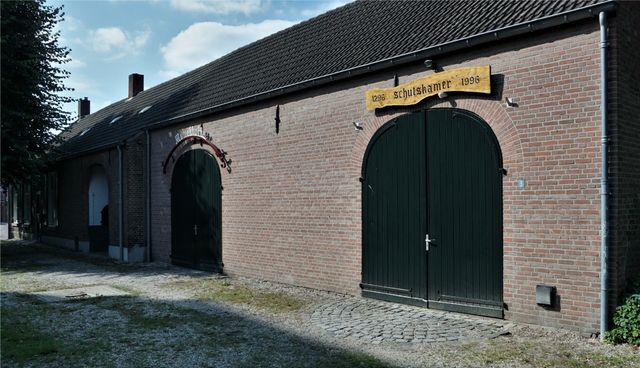
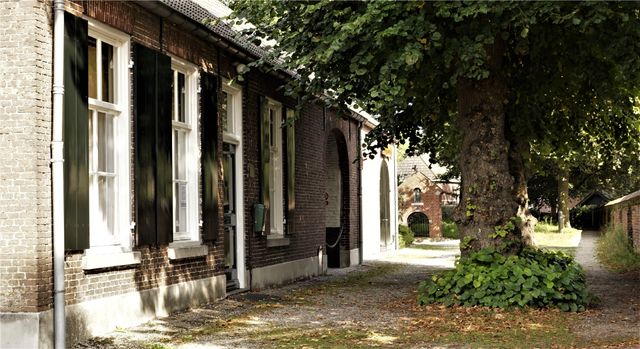
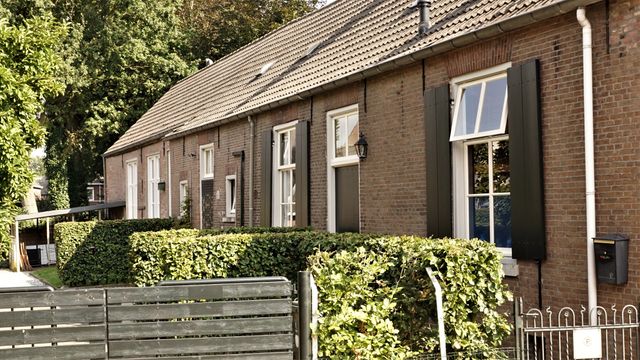
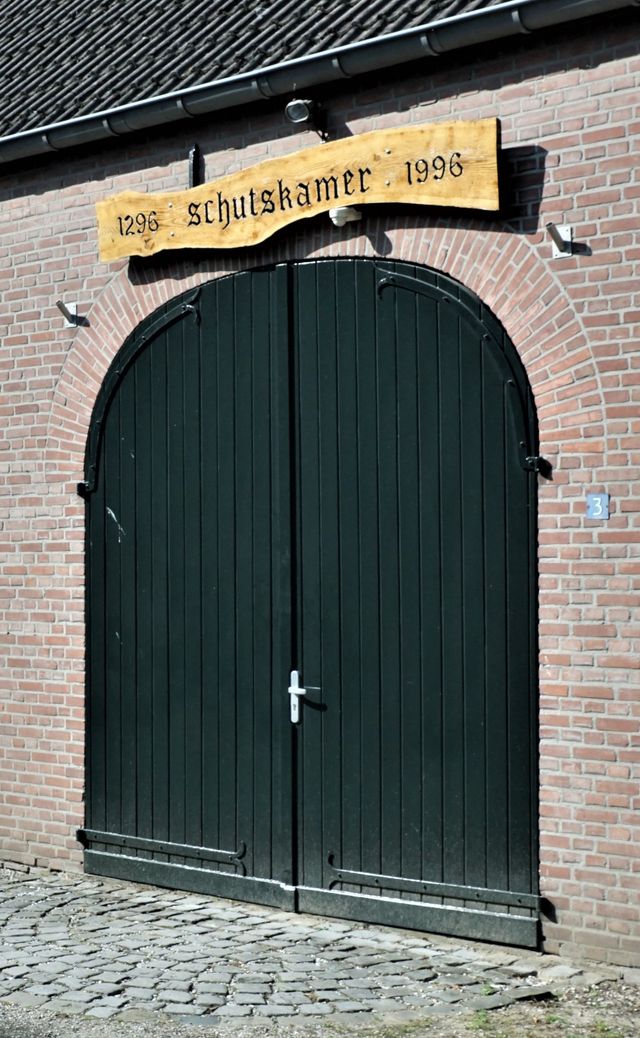
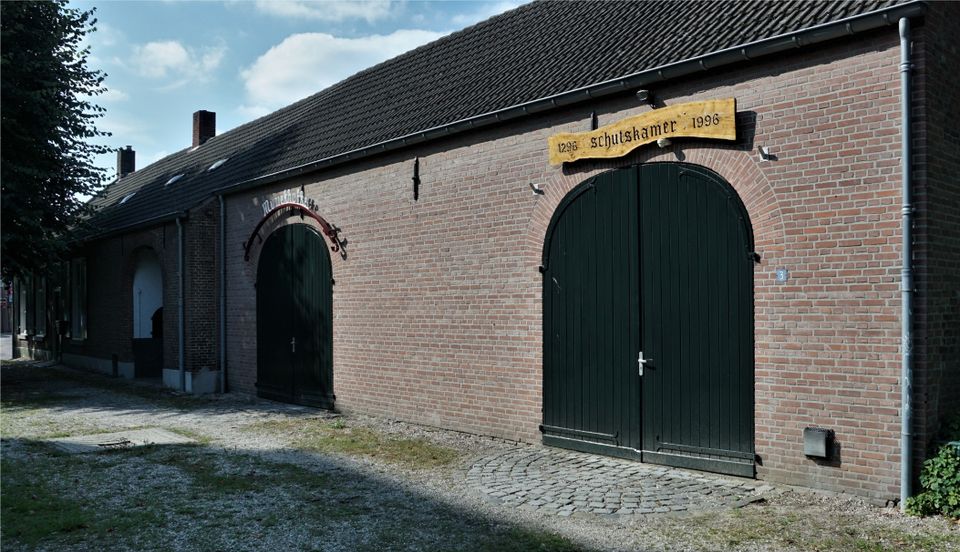
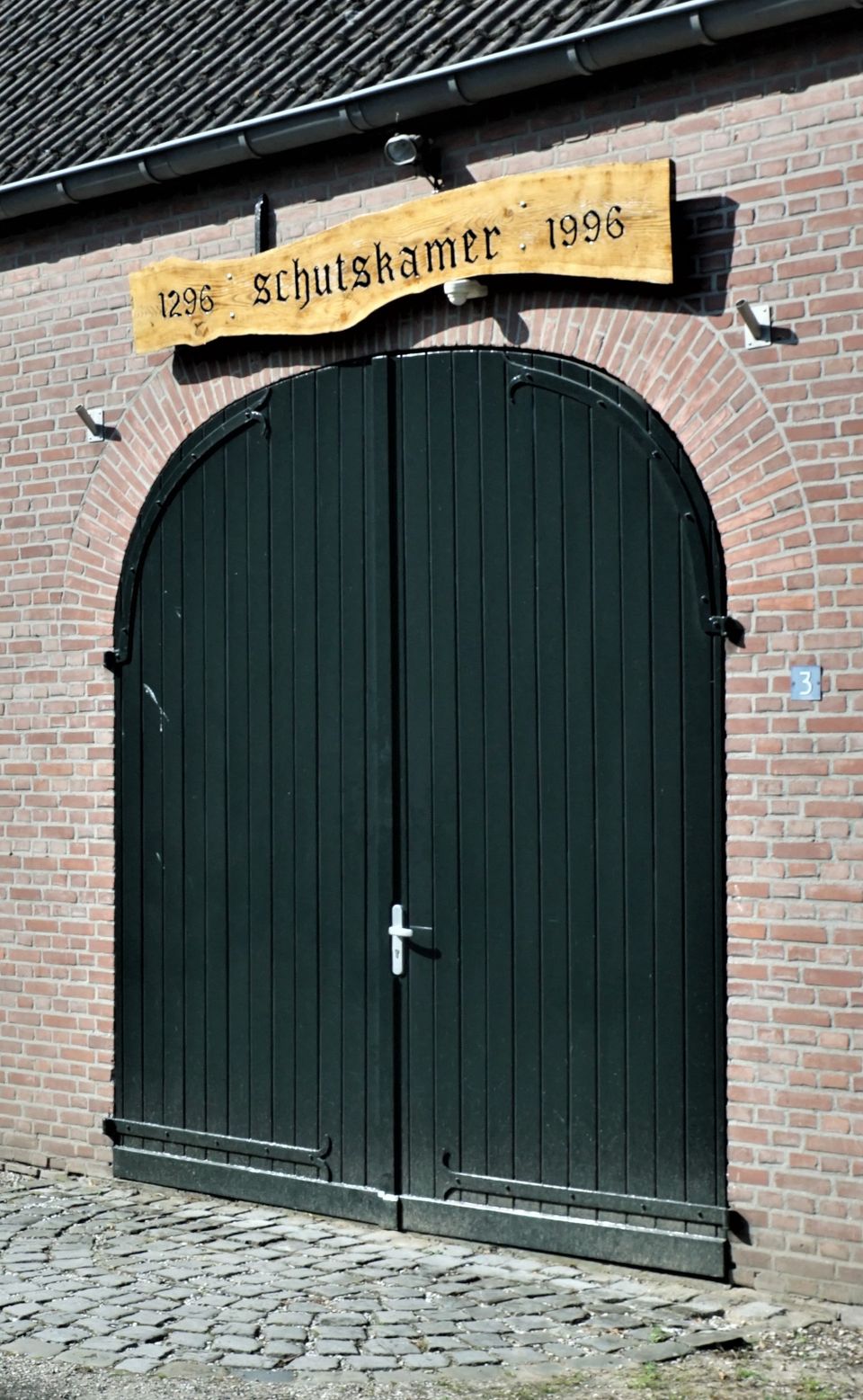
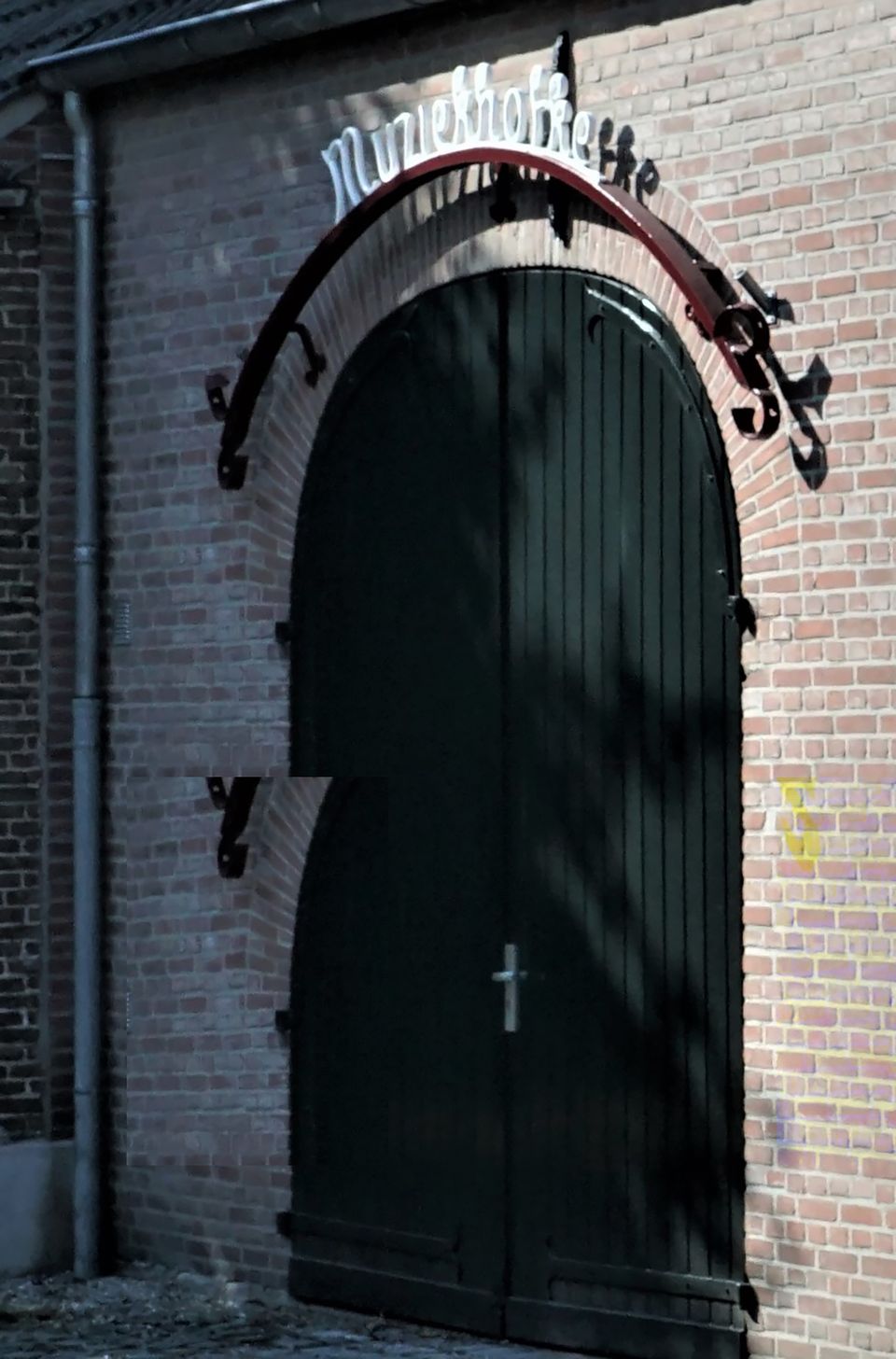
Nowadays: museum, former school, sexton's house, and rehearsal room for the Bakel brass band. The front part is the master's house, the rear part is the old school. The old entrance to the school is still visible next to it. In the foreground of the photo is the renovated facade with the exhibition space of the brass band and the guard room (the wooden sign) of the St. Willibrordussschutterij from Bakel.
Part of this school, the two classrooms, was built around 1830 and part…
Nowadays: museum, former school, sexton's house, and rehearsal room for the Bakel brass band. The front part is the master's house, the rear part is the old school. The old entrance to the school is still visible next to it. In the foreground of the photo is the renovated facade with the exhibition space of the brass band and the guard room (the wooden sign) of the St. Willibrordussschutterij from Bakel.
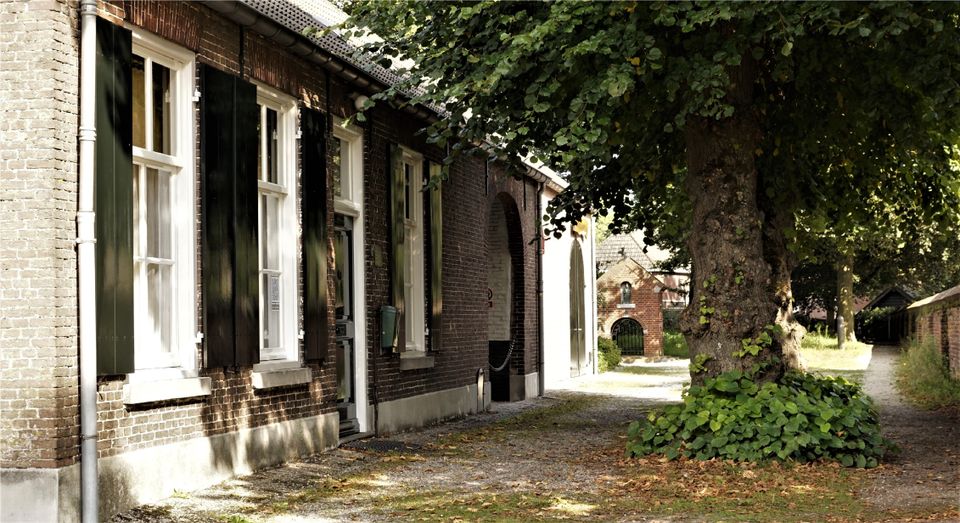
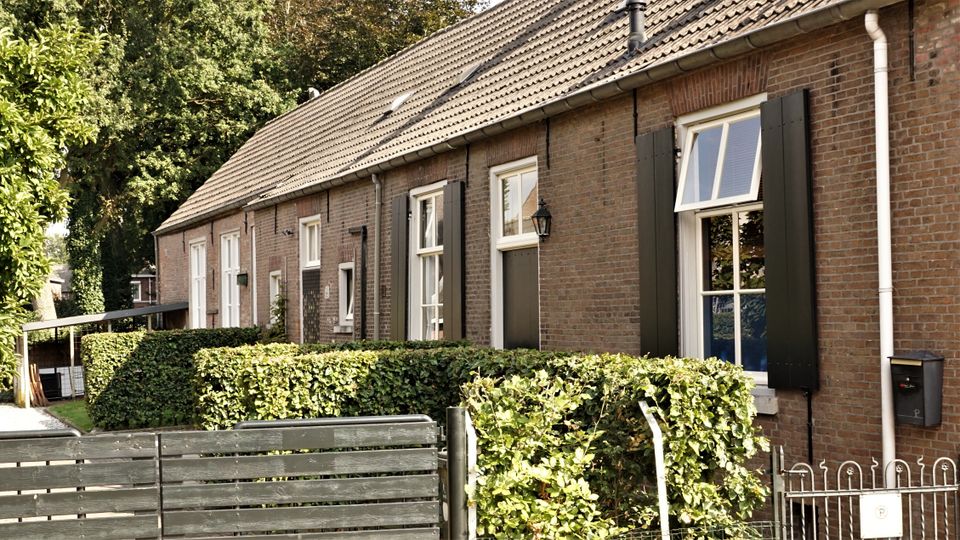
Part of this school, the two classrooms, was built around 1830 and part, the teacher's residence, in 1864. It was built behind the church because it was less exposed to the wind there. Unfortunately, the oldest part has been so thoroughly renovated that its former function can no longer be discerned. Originally, it probably looked like a small house, similar to many others in the village. However, the house that was built next to it is still in good condition. The authentic coal shed is still present. The hatch at the front of the school building had a special function: the school deposited the ashes from the stove there, which were collected by the farmers who lived on Verloorekost and were the poorest farmers in the village. The ashes could be used to make the soil more fertile.
The school probably never used more than one classroom, as there was only one teacher. In an anonymous newspaper article from 1896, someone complained about the conditions in the school: all the children, who came from far and wide, were seated together in one classroom. There was no assistant teacher, as the school wanted to save on salary and heating costs. The other classroom stood empty and was used by the brass band. The Bakelse brass band used the empty classroom as a rehearsal space on several occasions; the schoolmaster was also one of its members. There were numerous complaints about how terribly cold it was in winter. As soon as the opportunity arose, the band returned to rehearsing in cafés, where beer could also be consumed. Since 1875, the brass band had had its own room above the Van de Poel family's bakery. Unfortunately, the brass band and the Van de Poel family did not always get along. That is why the brass band returned several times to the empty room in the old school, bringing their own stove with them. However, this stove was very poor, so the brass band returned to the Van de Poel family's hall during the winter months. Eventually, in 1932, a contract was drawn up for the rental of the hall, including fire and light, from the Van de Poel family.
At one point, new schools were founded, such as the Catholic primary school in 1920, and this building served as a cooking school, domestic science school, fire station, prison, artist's studio, rehearsal room, and later as storage space for the church. The sexton lived in the front part of the building at the time. Now there is an exhibition space for the brass band and the meeting room of the St. Willibrordus Guild.
The Bakel brass band Musis Sacrum was founded in 1874. Brass bands originated in the Netherlands during the time of Napoleon, who introduced the art form to the army and had special pieces of music written for it. After the end of the French period in 1813, the Netherlands continued this practice and civilians also started to form brass bands. For a long time in the 19th century, Bakel only had a choir that also sang in the church. At that time, Bakel was a small and poor village, but it did not take long before the money was raised to start a brass band. In 1874, six weeks after its founding on May 12, a loan had already been arranged to purchase instruments. This was a loan of 300 guilders at an interest rate of 4%. There were more members than instruments, partly because in the beginning they mainly accompanied the singing group from which the brass band had originated. Conductor Goossens, who also traded in instruments, brought along extra instruments for the time being.
The brass band was an important part of village life. They marched in processions, carnivals, and guild parades, performed serenades at priestly celebrations, openings, weddings, and fairs, participated in various tournaments and festivals, and performed in cafés. The latter activity proved to be very popular. At the end of the 19th century and the beginning of the 20th century, it was combined with sketches and theater, and sometimes with gymnastics demonstrations by the gymnastics club. The halls were always packed. Incidentally, the actors, gymnasts, and musicians were often the same people, so there must have been a lot of costume changes between performances. At one point, they were even able to charge admission. In 1936, the fanfare also gave rise to a jazz band, and in 1979, majorettes and a drum band. Now the fanfare has become a harmony. In the 1950s, a real music garden was established with a kiosk and statues. It has since been built over, but the name, Muziekhofke, still exists. You can see it all in the exhibition space in the old school.