
Lecture: bird plumage
IVN Laarbeek is giving a lecture 'Feathers Make the Man'.
The condition of a bird's plumage is important for its well-being and health. Feathers protect birds from extreme weather changes, b…
IVN Laarbeek is giving a lecture 'Feathers Make the Man'.
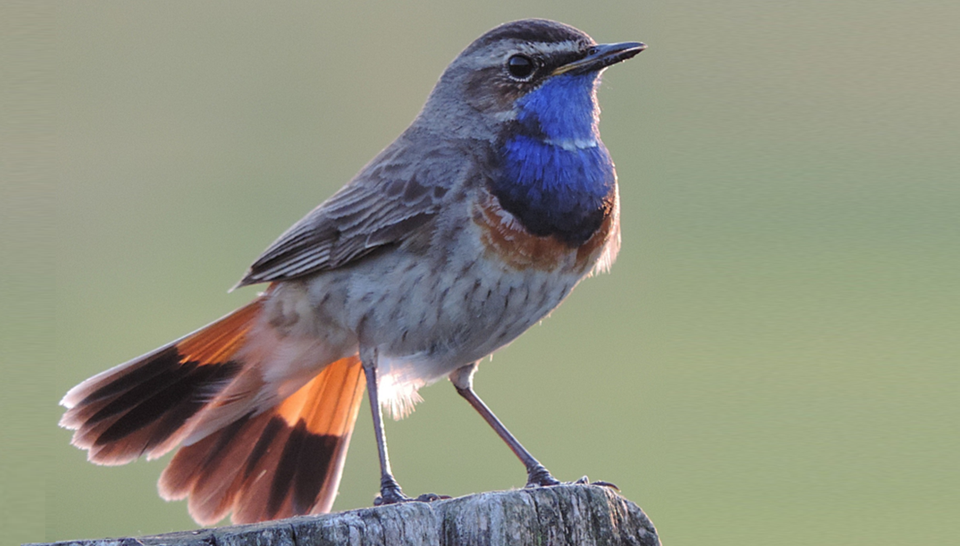
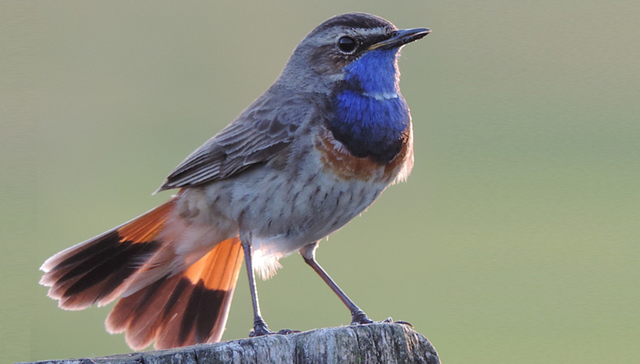
The condition of a bird's plumage is important for its well-being and health. Feathers protect birds from extreme weather changes, but their wings and tail also give them the freedom to move, feed, or avoid danger. On top of that, plumage plays a role in attracting a mate, especially for males. After molting, the colors look nice again. A female’s feathers need to look good for camouflage while incubating eggs and raising young birds. She will never choose a male in poor feather condition for her offspring. Good-looking feathers also play an important role in claiming a territory. The feathers of a bird indicate its condition and health. In both cases, you can quickly tell if a bird is in good shape by looking at its feathers. Birds with poor feather condition are more susceptible to diseases. Anyone comparing the hen and the rooster of a peacock will immediately notice that the rooster is a striking sight. With his bright blue feathers and extravagant tail, he seems more at home on an estate than in the jungles of India. The hen, on the other hand, looks modest: she is mostly brown in color. And it’s not just peacocks: pheasants, ducks, tropical birds of paradise—all birds with a brightly colored male and a plain female. But why are male birds so beautifully dressed? And is it always the males with brightly colored plumage? In this lecture, we will explore why male birds are often, but not always, more brightly colored than their females. Rick Meulendijks is a behavioral ecologist with a great passion for birds and butterflies. He specializes in the social behavior of birds. During his graduate research and later work as a research assistant at Wageningen University, he worked on bird song as a territorial signal and an indicator of reproductive success. In addition, he spent several years working in education at the Butterfly Safari in Gemert and is active in monitoring breeding birds and grassland butterflies. He regularly gives lectures for bird and nature groups.
When
- Thursday the 17th of september 2026 from 20:00 to 22:00
Prices
- Free