
Art lecture at Beek en Donk Senior Citizens' Association
Contact
Otterweg 27
5741BC Beek en Donk Plan your route to Art lecture at Beek en Donk Senior Citizens' Association
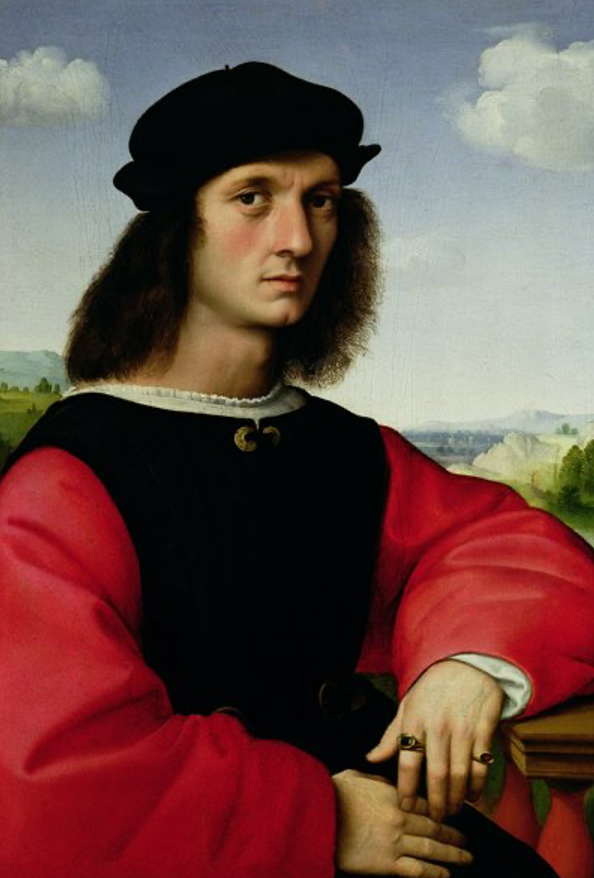
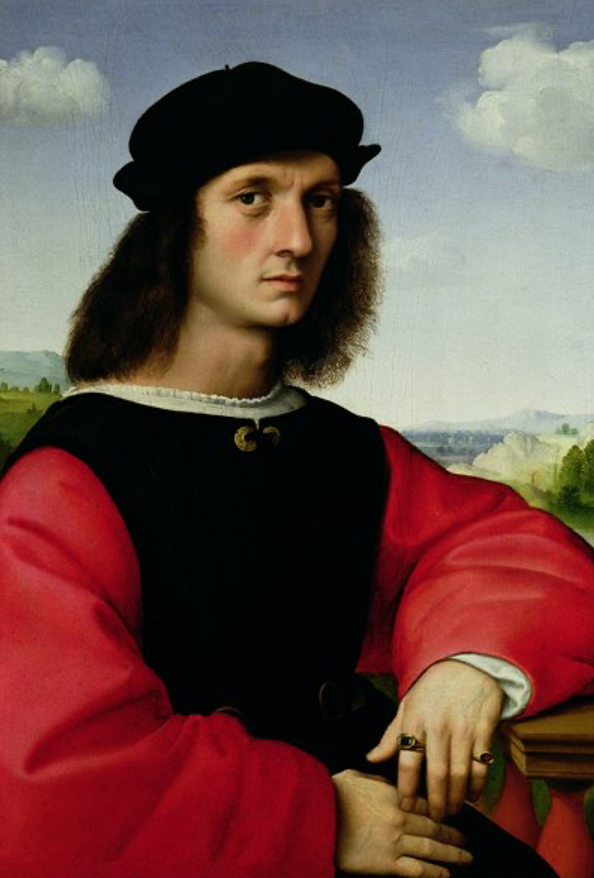
In a lecture for the Senior Citizens' Association of Beek en Donk, art historian Dr. Ger Jacobs delves deeper into the life and work of Raphael Sanzio and also recounts how his courtship with the baker's daughter ended.
Imagine being a young, talented painter and receiving a commission from the Pope to paint a ceiling in the Vatican. He expects you to work on it day and night, even staying there overnight. A job that takes a year. But what do you do if you are (secretly) dating the baker's daughter? Ask the Pope if she can come in through a back door?
Painter and writer Giorgio Vasari wrote…
In a lecture for the Senior Citizens' Association of Beek en Donk, art historian Dr. Ger Jacobs delves deeper into the life and work of Raphael Sanzio and also recounts how his courtship with the baker's daughter ended.
Imagine being a young, talented painter and receiving a commission from the Pope to paint a ceiling in the Vatican. He expects you to work on it day and night, even staying there overnight. A job that takes a year. But what do you do if you are (secretly) dating the baker's daughter? Ask the Pope if she can come in through a back door?
Painter and writer Giorgio Vasari wrote a book in 1568 about the lives of the best painters, sculptors, and architects he had known. His chapter on Raphael is one long list of praise: His colors were more beautiful than those of nature; his inventiveness was remarkable. Everyone who looks at his work notices this. Truly, one can say that Raphael's painting is perfect. Also because of a loveliness he created around his figures more than any other painter. Fifty years earlier, Carlo Calcagnini wrote: He is an angel from heaven and at the same time a young man of inexpressible goodness and admirable intelligence. Had he lived longer, he would have been the new Michelangelo.
Painter and architect Raphael Sanzio (1483-1520) belongs to the great three of the Renaissance. In every art history book, he is mentioned in the same breath as Leonardo da Vinci and Michelangelo. Sometimes he is even referred to as the most talented. Why, then, is he less well known than the other two? Did jealousy from the competition play a role because he was the Pope's favorite? Is it because of his rather loose lifestyle? Is it because of his early death? Was the Roman “pop star” of the early 16th century truly of exceptional class?
The lecture will be held at the Beek en Donk Community Centre. Please register via the senior citizens' association's email address. Admission includes coffee or tea during the intermission.
When
- Thursday the 5th of november 2026 from 14:00 to 16:00
Prices
- Members €5.00
- Non-members €6.50