
De Waag (the weighing bridge)
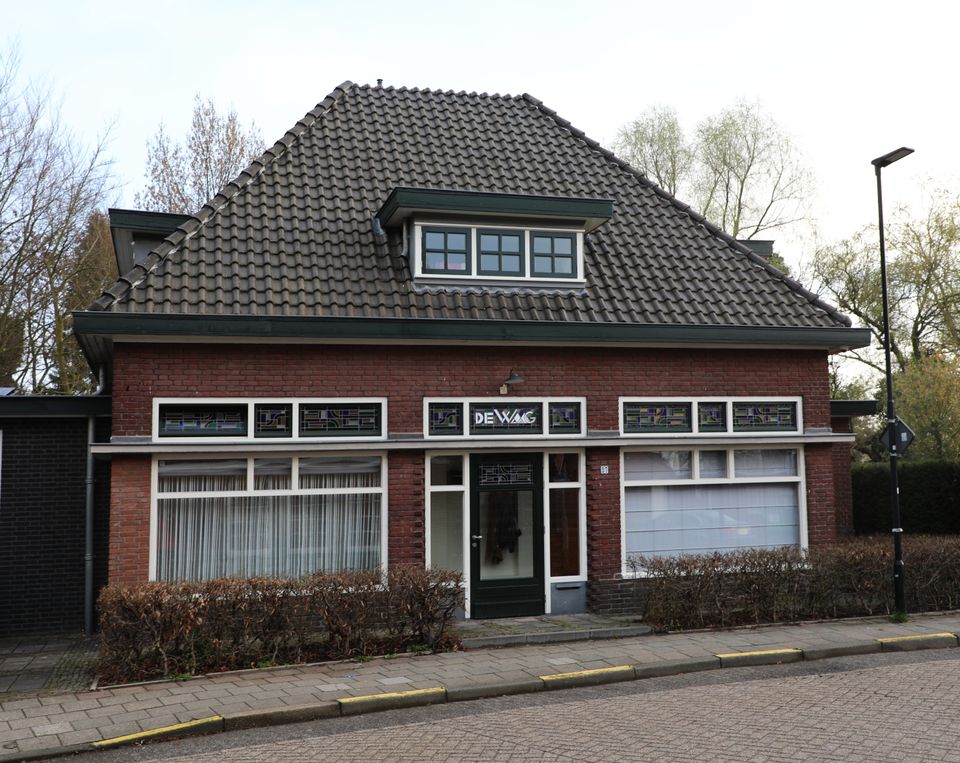
On the site where the De Waag building now stands, there was a house until the 19th century that had been inhabited for generations by the Meulendijk family and subsequently by the Van der Sanden family. After standing empty for fifteen years, it was demolished in 1859 and the land sold to the Leenen family. The site was then mainly used as an orchard. In 1932, the site was given a new purpose when Toon Sengers and his wife Bertha Hilverda purchased the plot. Toon was the grandson of the Sengers couple who ran the hotel of the same name on the Markt. Sengers had a new house with a café-restaurant built on Emmastraat. The Sengers couple moved into the flat above the café.
The café was named…
On the site where the De Waag building now stands, there was a house until the 19th century that had been inhabited for generations by the Meulendijk family and subsequently by the Van der Sanden family. After standing empty for fifteen years, it was demolished in 1859 and the land sold to the Leenen family. The site was then mainly used as an orchard. In 1932, the site was given a new purpose when Toon Sengers and his wife Bertha Hilverda purchased the plot. Toon was the grandson of the Sengers couple who ran the hotel of the same name on the Markt. Sengers had a new house with a café-restaurant built on Emmastraat. The Sengers couple moved into the flat above the café.
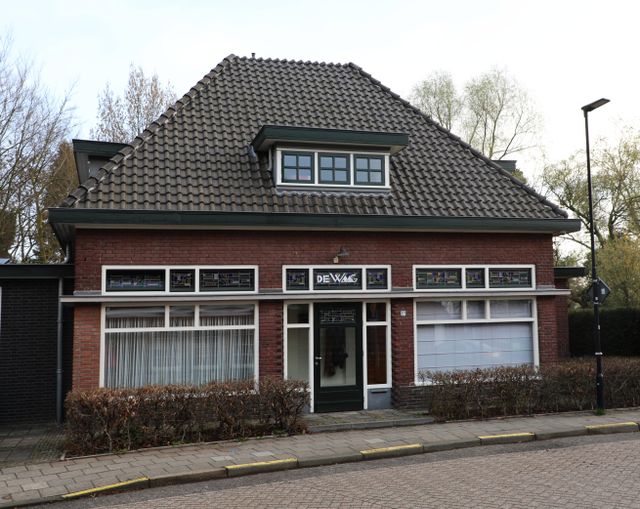
The café was named De Waag, a reference to the former pig-weighing bridge a few houses further down the street. Emmastraat used to be called Varkensstraat (Pig Street) in those days. The stained-glass window above the café’s entrance – featuring the name DE WAAG in distinctive lettering – still serves as a reminder of this era.
Since the renovation in 2004, the building has been used as a private residence. It is a listed building and is of significance due to its distinctive architectural style and historical function.