
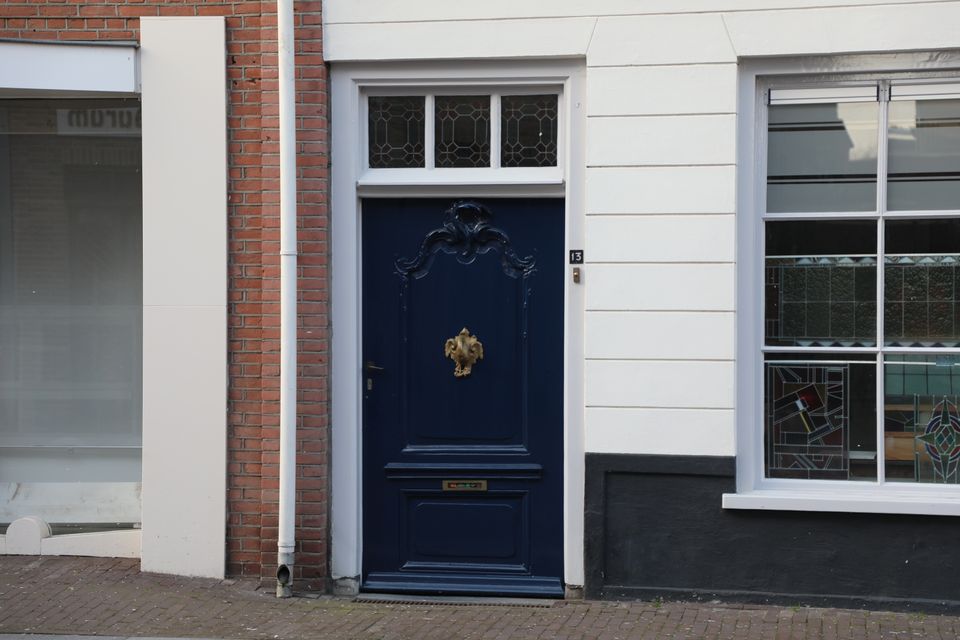
Magistrates’ Court
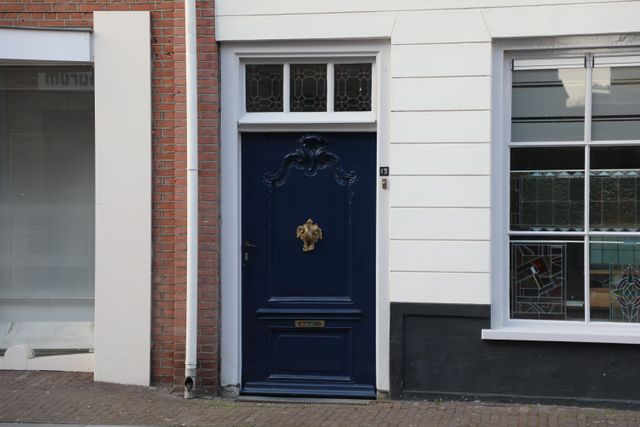
The front door of this historic building is adorned with a striking door knocker: a gilded pelican, made around 1810 and covered in gold leaf. The bird is depicted pecking at its own breast to feed its young with its own blood. This is an ancient symbol of charity and self-sacrifice, and is often used in the healthcare sector.
The door knocker was probably fitted during the time of the surgeon and midwife Sauvé, who lived here from 1780 to 1822. A surgeon was an early form of general practitioner. In the 19th century, the building served as a tax office and later as a magistrates’ court, the court for minor cases in the Asten district.
The pelican remained on the d…
The front door of this historic building is adorned with a striking door knocker: a gilded pelican, made around 1810 and covered in gold leaf. The bird is depicted pecking at its own breast to feed its young with its own blood. This is an ancient symbol of charity and self-sacrifice, and is often used in the healthcare sector.
The door knocker was probably fitted during the time of the surgeon and midwife Sauvé, who lived here from 1780 to 1822. A surgeon was an early form of general practitioner. In the 19th century, the building served as a tax office and later as a magistrates’ court, the court for minor cases in the Asten district.
The pelican remained on the door throughout the centuries, even when Anny Vaalman’s chemist’s shop was based there. Thus, the door knocker is not only a fine piece of craftsmanship, but also a tangible reminder of the many functions this building in Asten has served.