
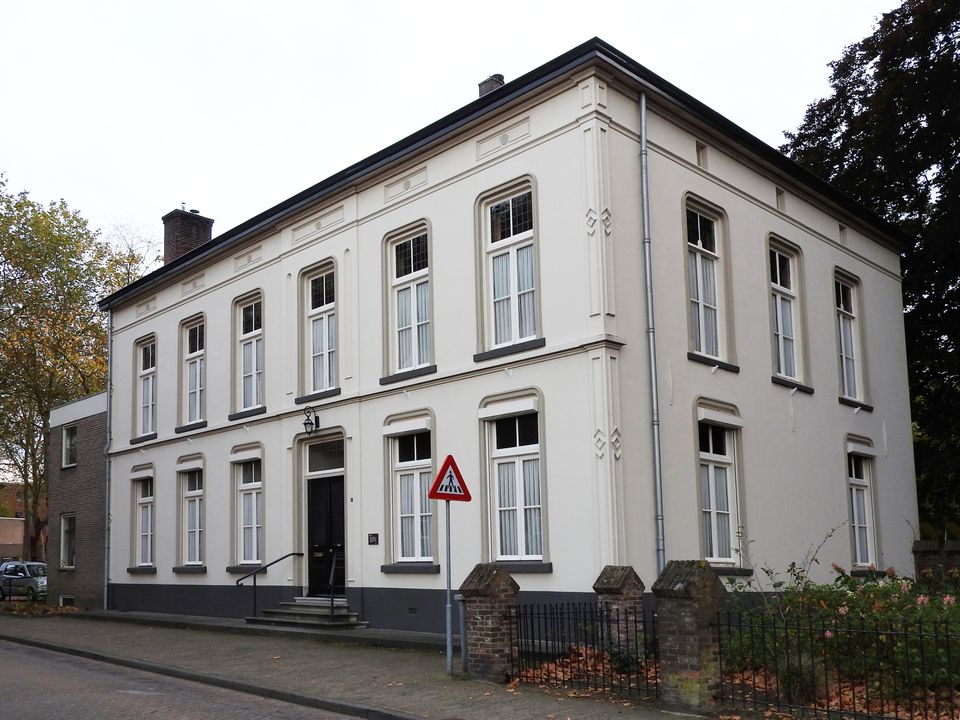
Vicarage
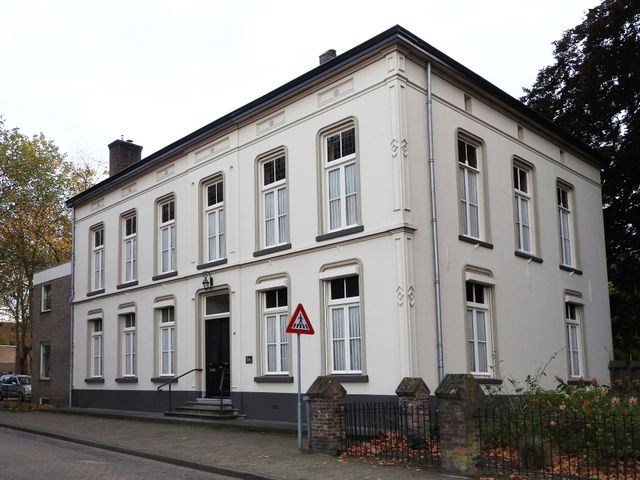
The vicarage on Kerkstraat in Asten has an exceptionally long history. It is first mentioned in a deed dating from 1463. According to research by the local history society De Vonder, this earliest vicarage stood on the same site as the present-day vicarage.
From Catholic priest to Reformed minister (1648–1795)
With the Reformation in 1648, the religious landscape changed radically. The Catholic parish priests were forced to leave, and from then on the vicarage was occupied by the ministers of the Reformed congregation.
In 1786, the vicarage underwent a structural survey. The verdi…
The vicarage on Kerkstraat in Asten has an exceptionally long history. It is first mentioned in a deed dating from 1463. According to research by the local history society De Vonder, this earliest vicarage stood on the same site as the present-day vicarage.
From Catholic priest to Reformed minister (1648–1795)
With the Reformation in 1648, the religious landscape changed radically. The Catholic parish priests were forced to leave, and from then on the vicarage was occupied by the ministers of the Reformed congregation.
In 1786, the vicarage underwent a structural survey. The verdict was damning: foundations merely resting loosely on the ground, walls riddled with cracks and fissures, rotten windows, doors, attic and roof, a haphazard jumble of annexed rooms with leaking gutters, and a stable that was too small and dilapidated. The conclusion was clear: repairing the building would be extremely costly, and even then it would remain a ‘very weak and irregular house’. The solution was to build an entirely new vicarage, estimated to cost 3,700 guilders. In 1788, the first invoices appeared for the ‘newly built vicarage or minister’s residence’. With that, the new vicarage was completed and taken into use by the Reformed minister.
Back to the Catholics (1795–1807)
Following the French invasion in 1795, the Catholics were granted greater freedom. Church property was valued as follows: the church at ƒ 8,150, the vicarage at ƒ 3,000, and the chapel in Ommel at ƒ 2,000. Minister Casparus Janssen tried to prevent the church from being returned to the Catholics, but in 1798 it was allocated to the largest religious community: the Catholic parish. Janssen, however, refused to leave the vicarage. It was not until 1807 that he moved to Lindestraat, after which Father Willem van Asten was able to return to Kerkstraat.
From 1807 onwards, the vicarage once again became the centre of Catholic parish life. Until 1944, it was home, in succession, to: Bartholomeus Kemps, founder and namesake of the nuns’ convent opposite the vicarage; Lambertus van de Mortel; Johannes Smits, the building priest for the new church; Bartholomeus Moussault; and Henricus Meijer. Streets have been named after these last two priests, both leading onto Kerkstraat. The presbytery is a listed building.