
St Jozef square
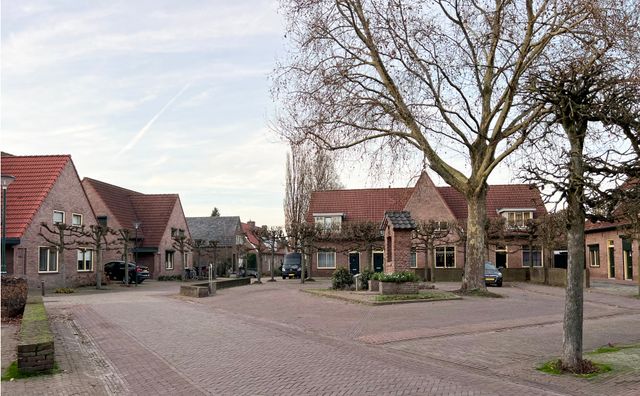
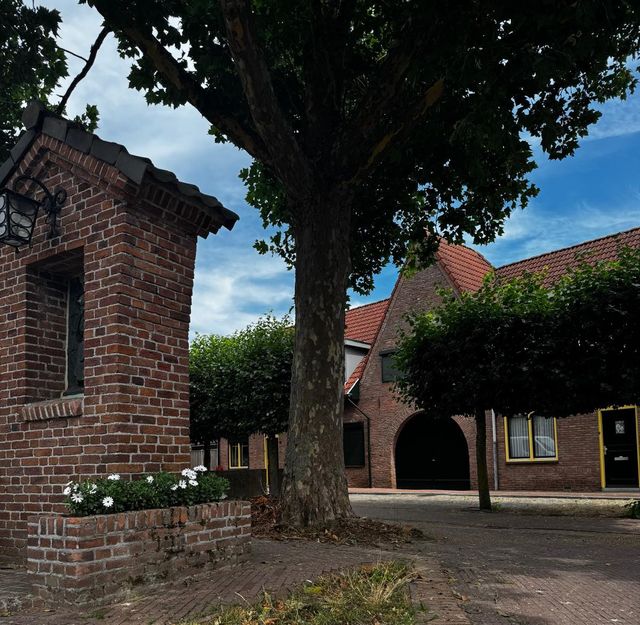
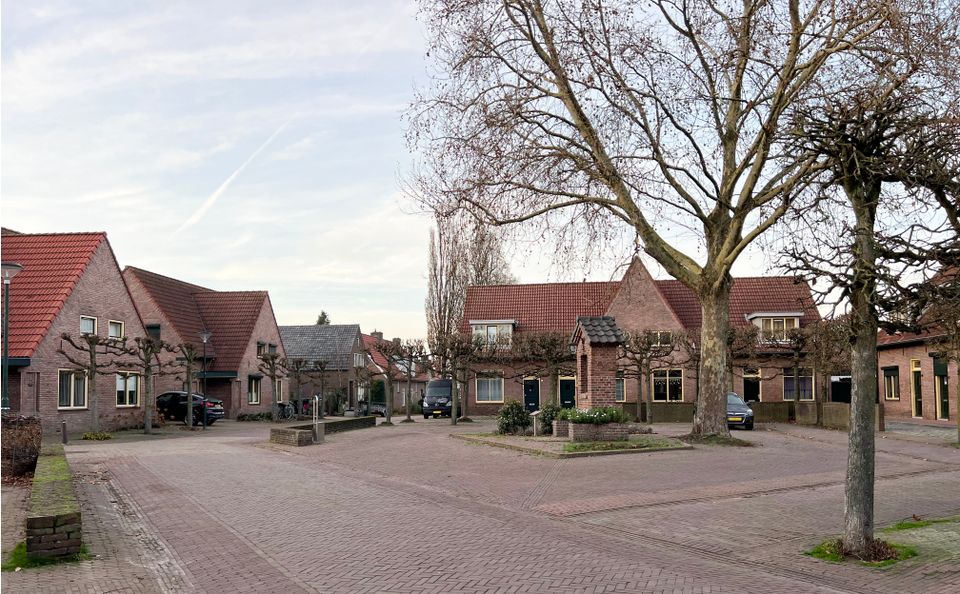
Sint Jozefplein was established around 1920 as one of the first social housing projects in Asten. The Sint Joseph housing association had twenty workers’ homes built here. The design was by the architect Frans Wolters from Eindhoven. The layout around the small square creates the atmosphere of a courtyard. However, the homes were not occupied by workers but by shopkeepers, as the rent turned out to be rather high.
During the bombings and fighting of the Second World War, the square remai…
Sint Jozefplein was established around 1920 as one of the first social housing projects in Asten. The Sint Joseph housing association had twenty workers’ homes built here. The design was by the architect Frans Wolters from Eindhoven. The layout around the small square creates the atmosphere of a courtyard. However, the homes were not occupied by workers but by shopkeepers, as the rent turned out to be rather high.
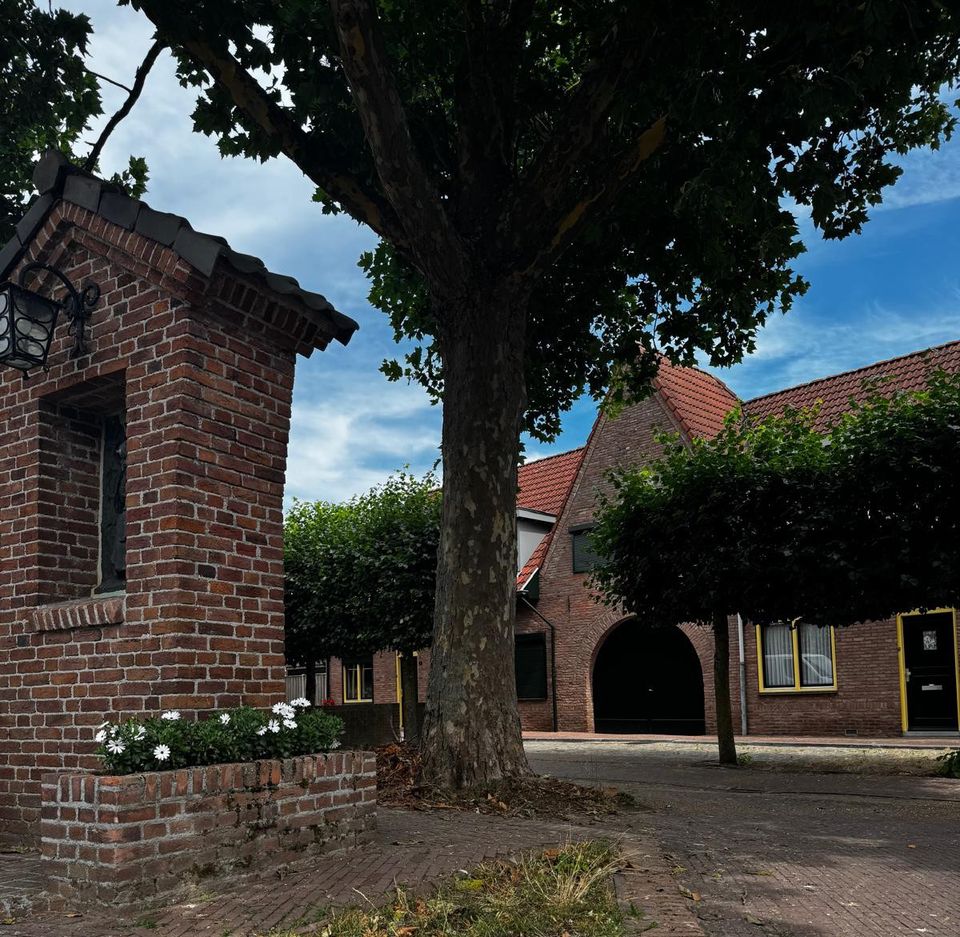
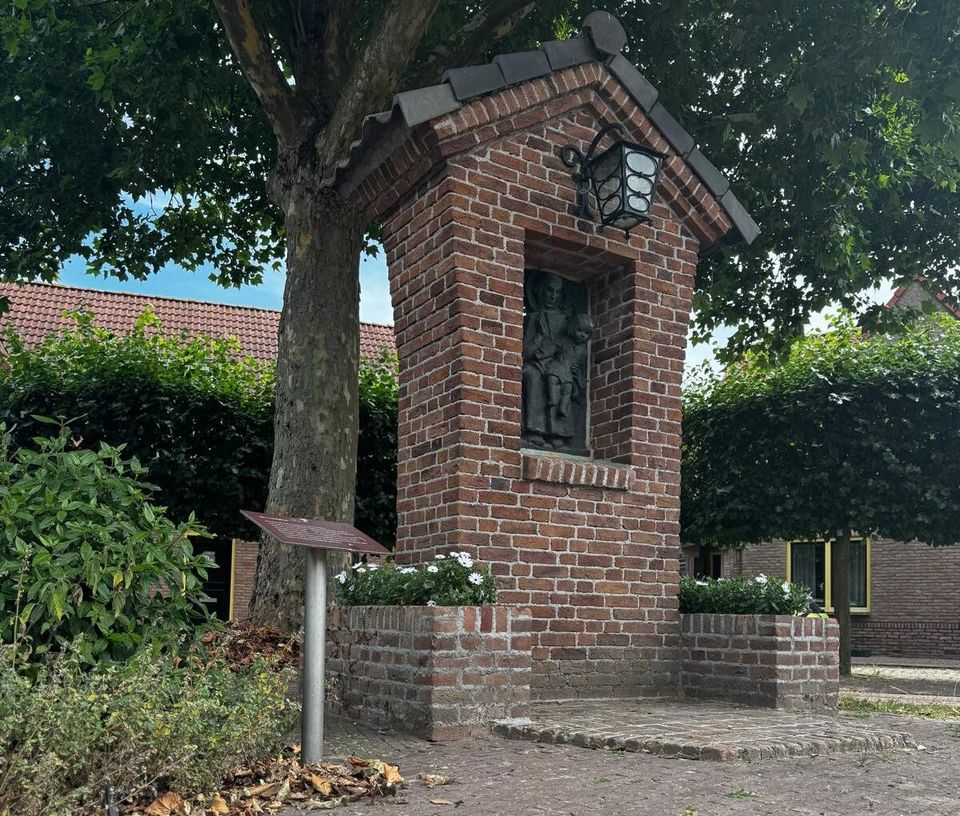
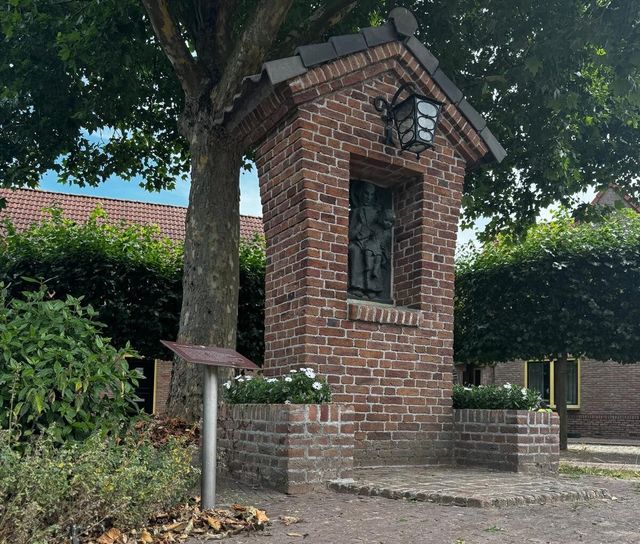
During the bombings and fighting of the Second World War, the square remained virtually unscathed, even though it is situated on higher ground at D’n Bult. The evacuated residents promised to build a chapel if the square were still standing upon their return. For years, they saved up dimes and quarters, and in 1953 the little St Joseph’s Chapel was built and consecrated. Inside the chapel stands a bronze relief of St Joseph with the Child, designed by Jac Maris. Forty years later, it was recast by Koninklijke Eijsbouts because the original, made of glazed stone, had become damaged.
The square is surrounded by espalier lime trees and is today regarded as a valuable example of early social housing and of the close-knit community it has fostered over the years. This is one of the reasons why the square, comprising 20 dwellings, is now a listed building.