
Villa Sint Jozef
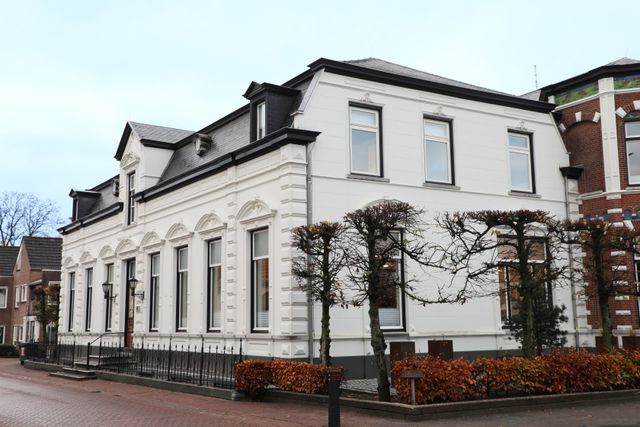
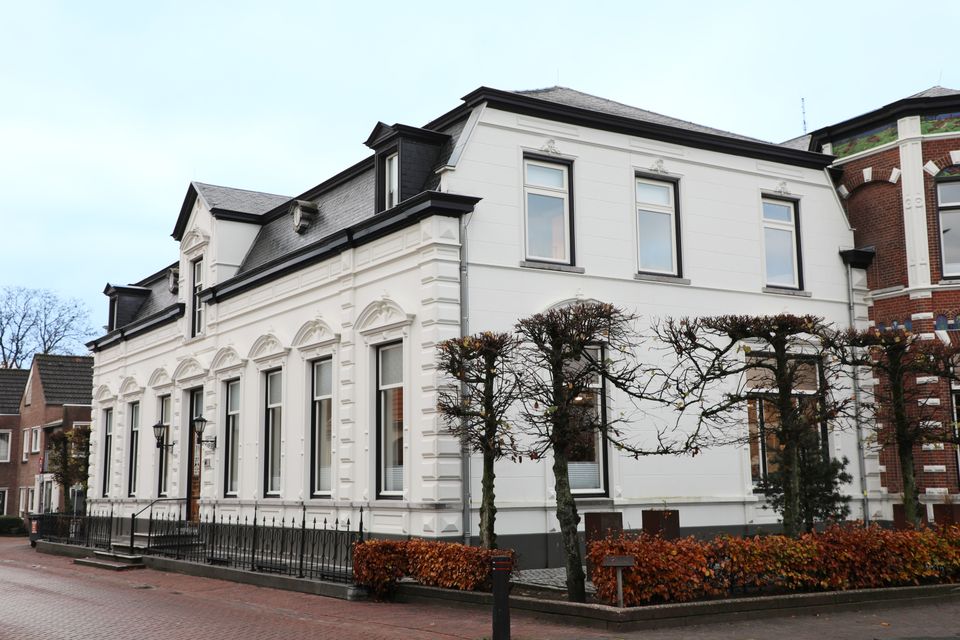
A villa built in 1889. A house had already stood on this site as far back as the 16th century. It was destroyed by fire on two occasions. In the early 19th century, it was purchased by Antoon Bluijssen, the progenitor of the well-known Asten family of entrepreneurs.
At 2 Julianastraat lies one of Asten’s oldest residential sites, a place where more than four centuries of village history converge. As early as the 16th century, the Verlynden family lived here – a lineage of aldermen, farmers and craftsmen. Their house was lost in 1636 during the great village fire that destroyed 44 homes. The widow Barbara Verlynden, who lived there, was one of the victims.
After the fire, the house was r…
A villa built in 1889. A house had already stood on this site as far back as the 16th century. It was destroyed by fire on two occasions. In the early 19th century, it was purchased by Antoon Bluijssen, the progenitor of the well-known Asten family of entrepreneurs.
At 2 Julianastraat lies one of Asten’s oldest residential sites, a place where more than four centuries of village history converge. As early as the 16th century, the Verlynden family lived here – a lineage of aldermen, farmers and craftsmen. Their house was lost in 1636 during the great village fire that destroyed 44 homes. The widow Barbara Verlynden, who lived there, was one of the victims.
After the fire, the house was rebuilt and took on new occupants. Around 1680, Hendrick van den Bleeck ran a busy inn and brewery here. But this house was not spared either. In 1761, lightning struck and it burned down completely once again.
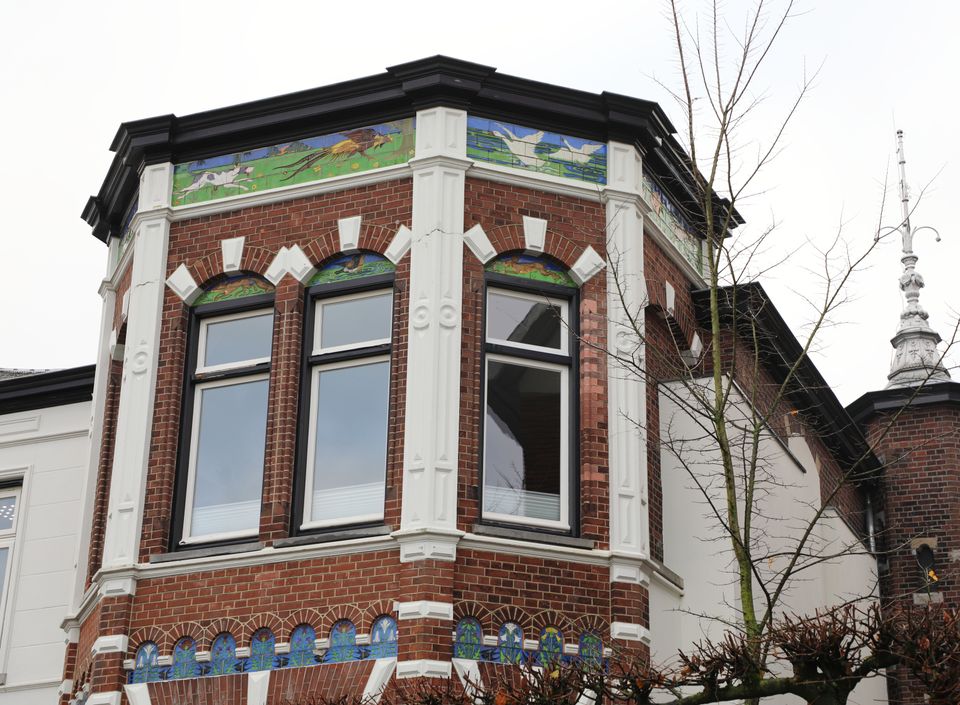
Shortly afterwards, a new building was erected on this site. In 1811, it was purchased by Antonius Bluijssen, the progenitor of the well-known Asten business family. The Bluijssen firm made a name for itself with butter, margarine, textiles and an international chain of shops, and brought a century of economic prosperity to Asten. Johan Bluijssen, Antonius’s grandson, inherited the house and demolished it in 1889 to make way for a new building. In 1904, the villa was given a striking bay window with a Neo-Renaissance-style entrance, facing Koningsplein. Can you see the hunting scene on the colourful tiles beneath the eaves?
Later, the house became part of the Liefdegesticht and served as a guesthouse.
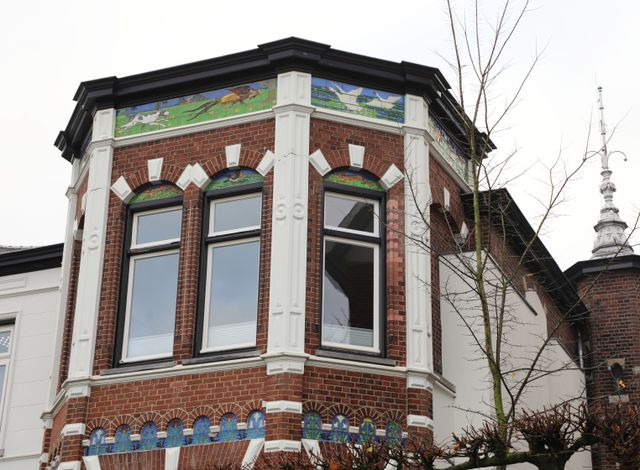
Did you know that on the side of the building, at the top of the turret, there are depictions of hunting scenes? Among other things, you can see a fox hunting chickens, a dog hunting a pheasant, geese, a squirrel, a hare, a duck and rabbits.
- Built in 1889 and extended in 1904 with an extension in Neo-Renaissance style and Art Nouveau elements.
- Converted into an office and upstairs flat in 1980.
Practical information
- The building is not accessible. However, it can be admired from the outside.
- Tip! Take a look at the hunting scenes on the side of the building, at the top of the bay window.